In short
Don't judge the demo. Ask to see live work, what went wrong on it, how data is protected and who owns the code. Get a fixed price and a written scope, then use the scorecard below to compare the people you're talking to.
On this page
Almost anyone can produce a good-looking Next.js demo now. AI tools made that cheap. What's still hard is everything after the demo: security, speed, search visibility, payments that don't lose money and code someone can change in a year.
I build Next.js sites for clients, including Croffee and Kaged Production. You don't need to be technical to ask these questions. You only need to listen for specifics.
Start with live work
"Show me something you built that's running today, and tell me what went wrong on it."
Open the link on your phone. Is it fast? Does it work? Then listen to the second half. Anyone who has really shipped has a story about something breaking. Someone who says nothing ever went wrong either hasn't shipped much or isn't being straight with you.
"Is that your work, and which part of it?"
Screenshots can come from anywhere. Ask who did what, and whether you can talk to the client.
Questions that test real experience
"Where would this data live, and what happens if your server dies?"
You want a clear answer about the database, the backups and how a restore would work. "It's on the cloud" isn't one.
"How will this show up on Google?"
A good answer mentions pages rendered on the server, titles and descriptions per page, structured data and a sitemap. A public Next.js site that sends search engines an empty page has wasted one of the main reasons to use it.
"How fast will it be on a cheap phone on mobile data?"
Listen for image handling, how much JavaScript gets sent and real measurements. Then check for yourself with Google's free PageSpeed Insights.
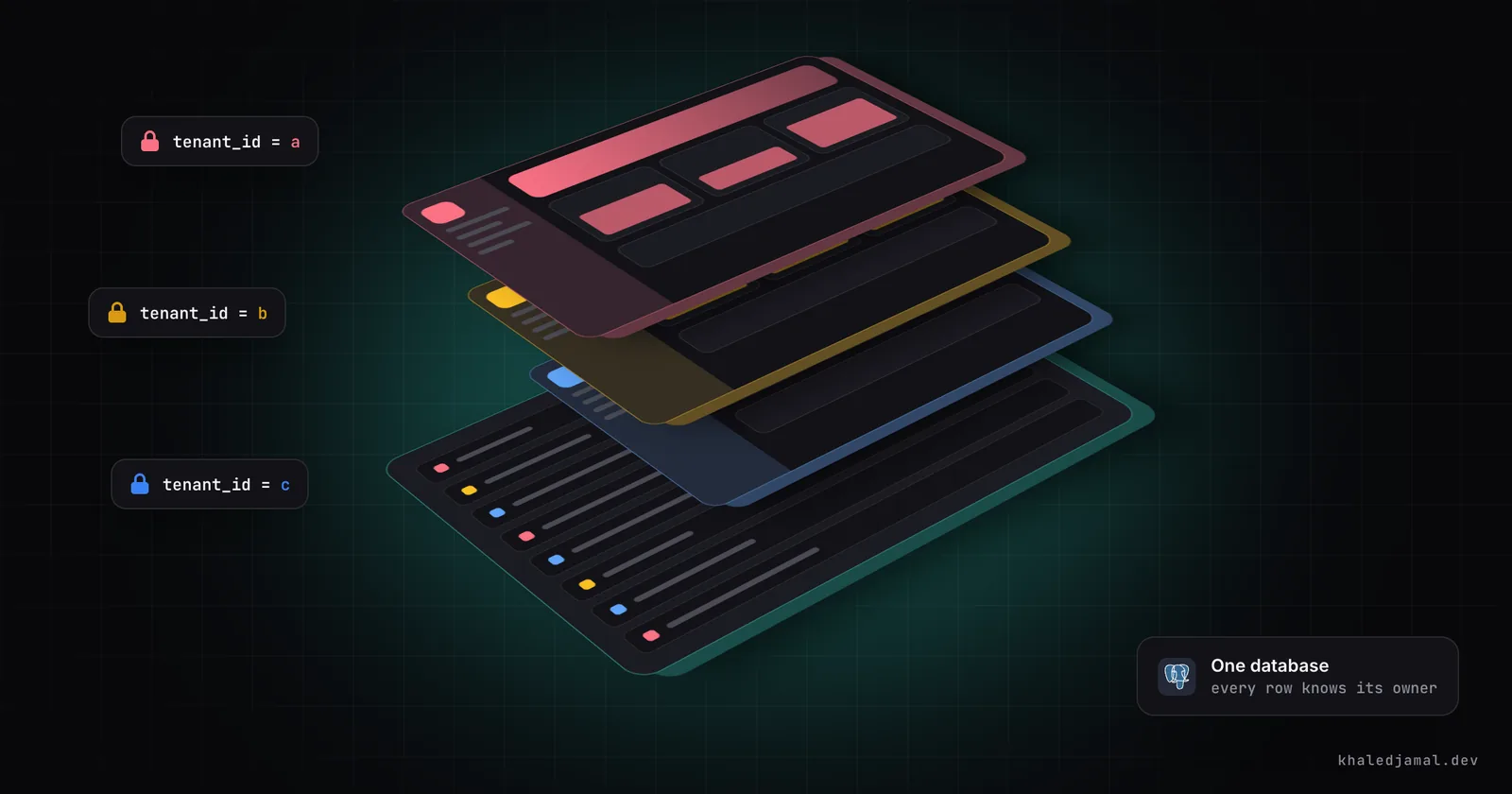
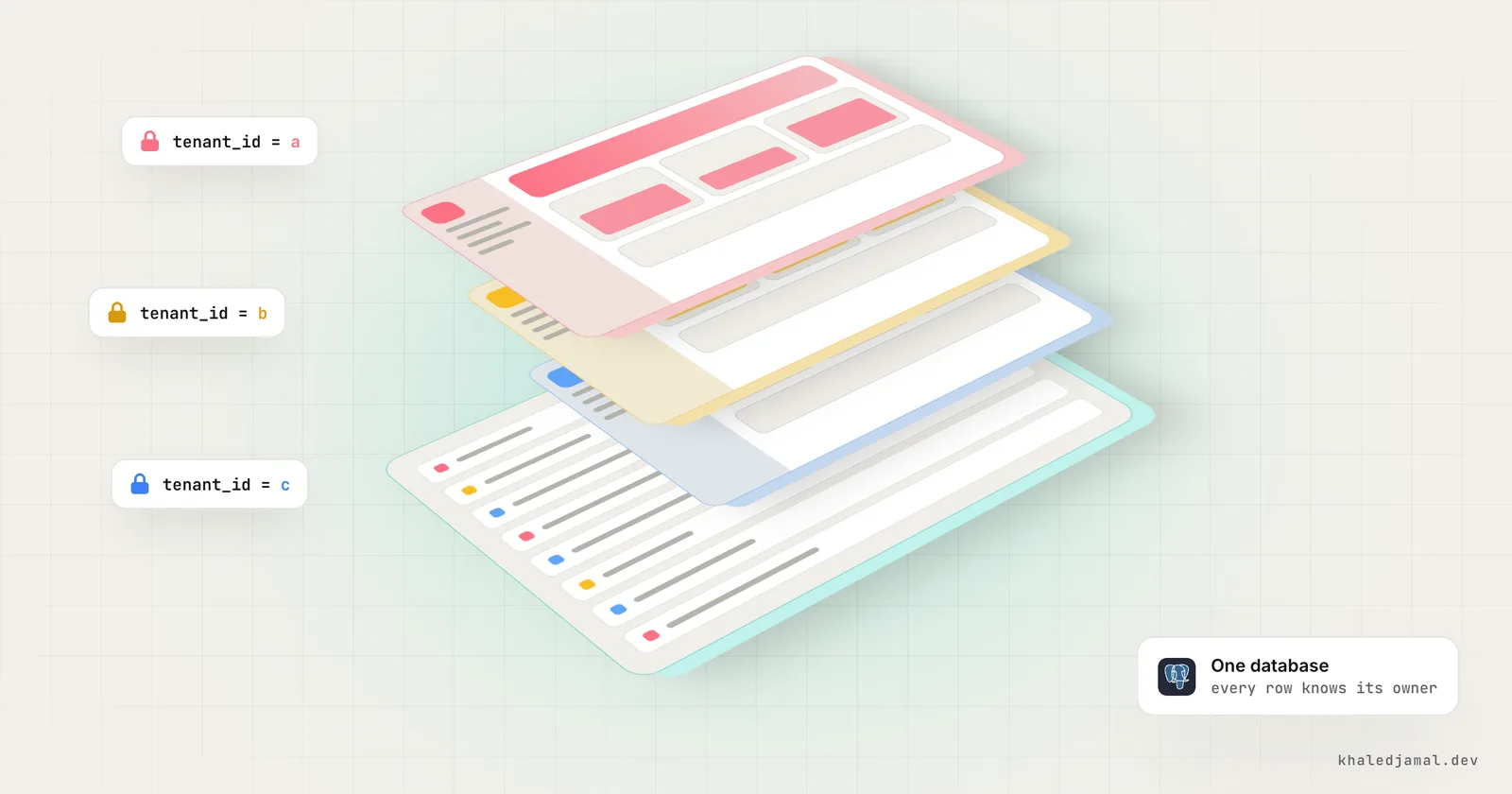
"What stops one user from seeing another user's data?"
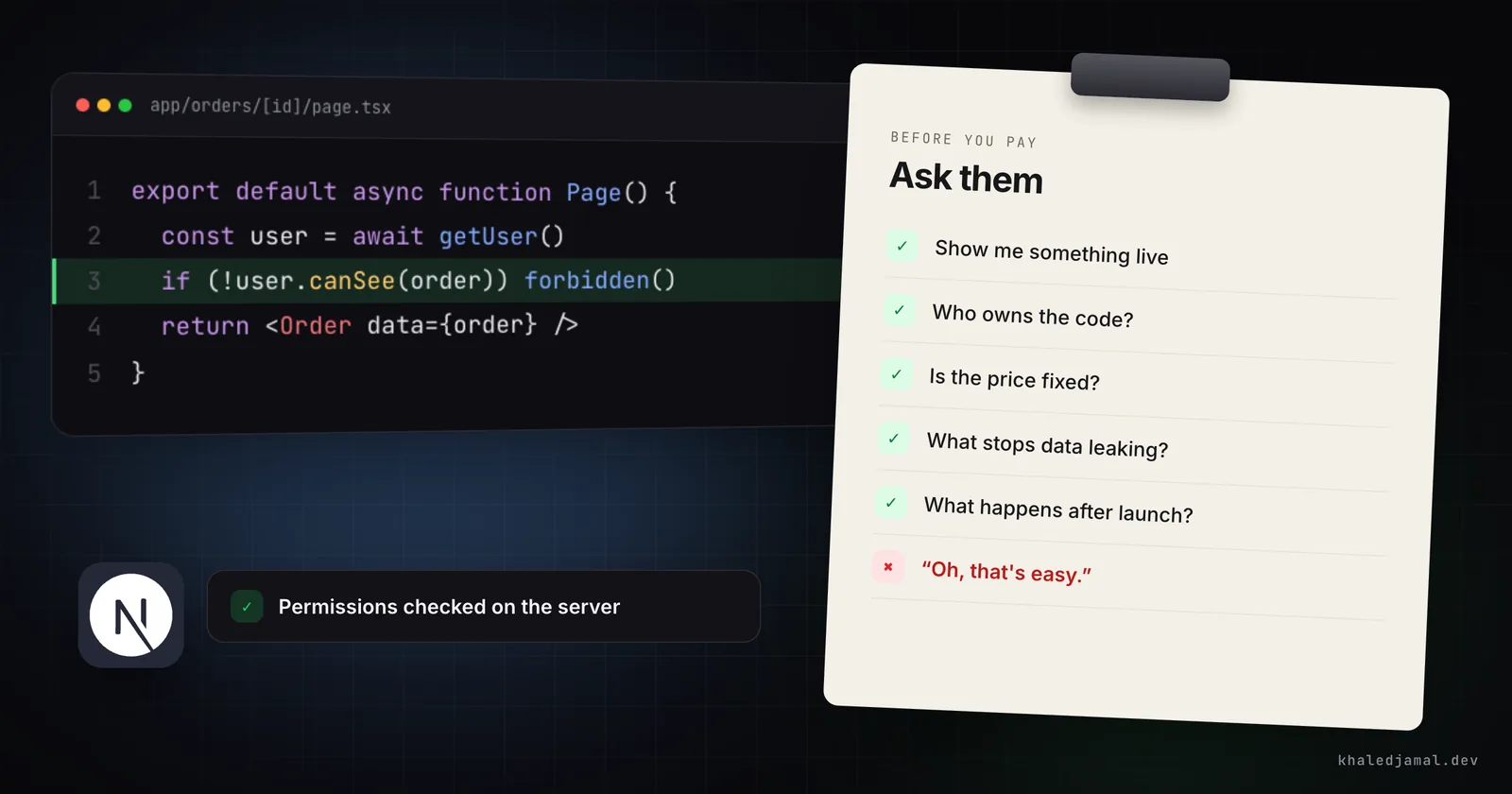
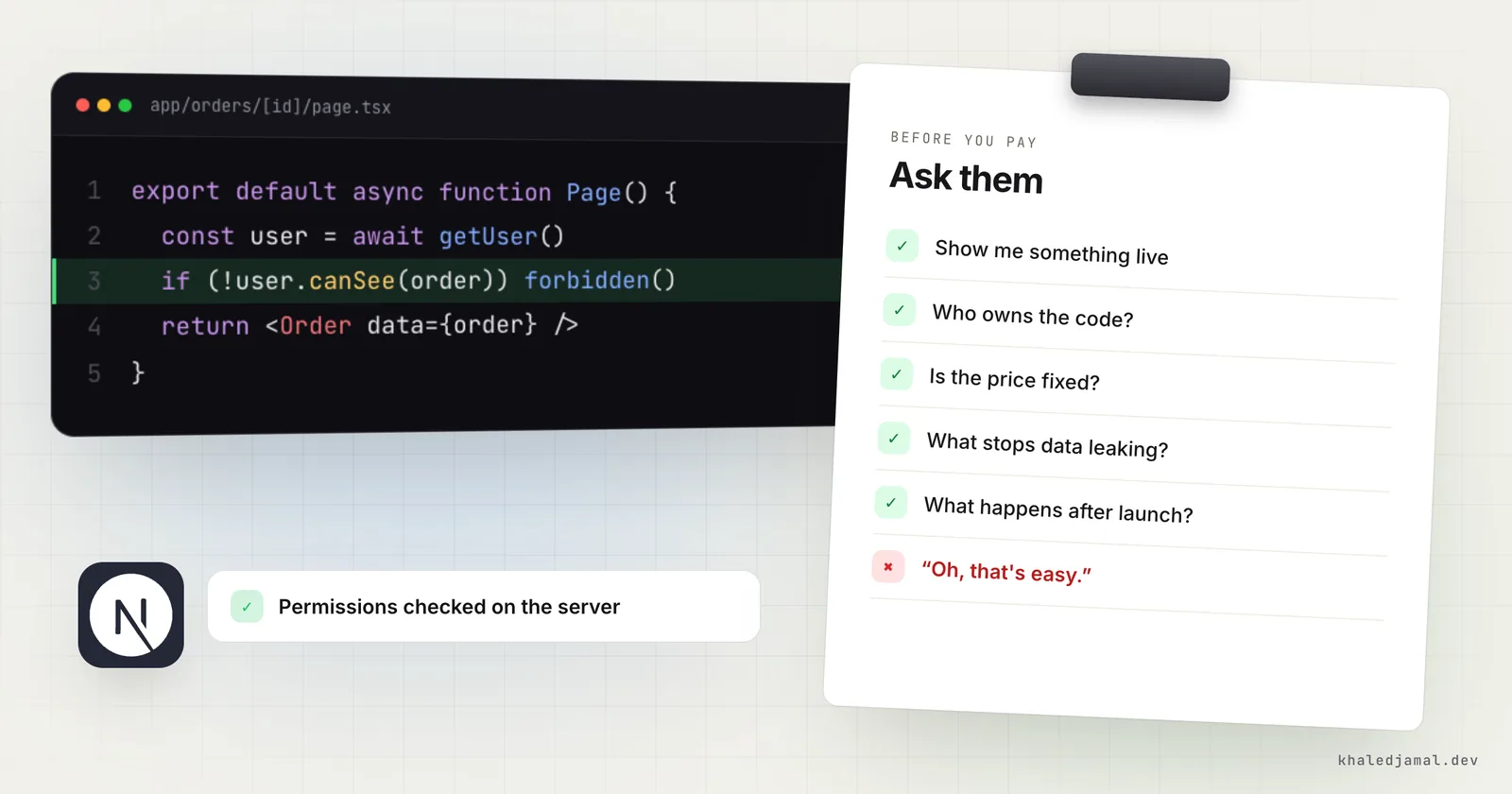
If your product has accounts, this is the question that matters most. A good developer will explain that permissions get checked on the server for every request. Hiding a button in the interface isn't security.
"How do you handle payments failing halfway?"
Cards decline, people close tabs and webhooks arrive late or twice. A developer who has done this will start talking about those cases right away, without being prompted.
Questions that protect you
"Who owns the code, the domain and the accounts?"
The answer should be you, in writing. Domains and hosting should be in your name or moved to you on handover.
"Can another developer take this over?"
You're checking for a standard stack, the code in a repository you can access and some documentation. Nobody should be irreplaceable by accident.
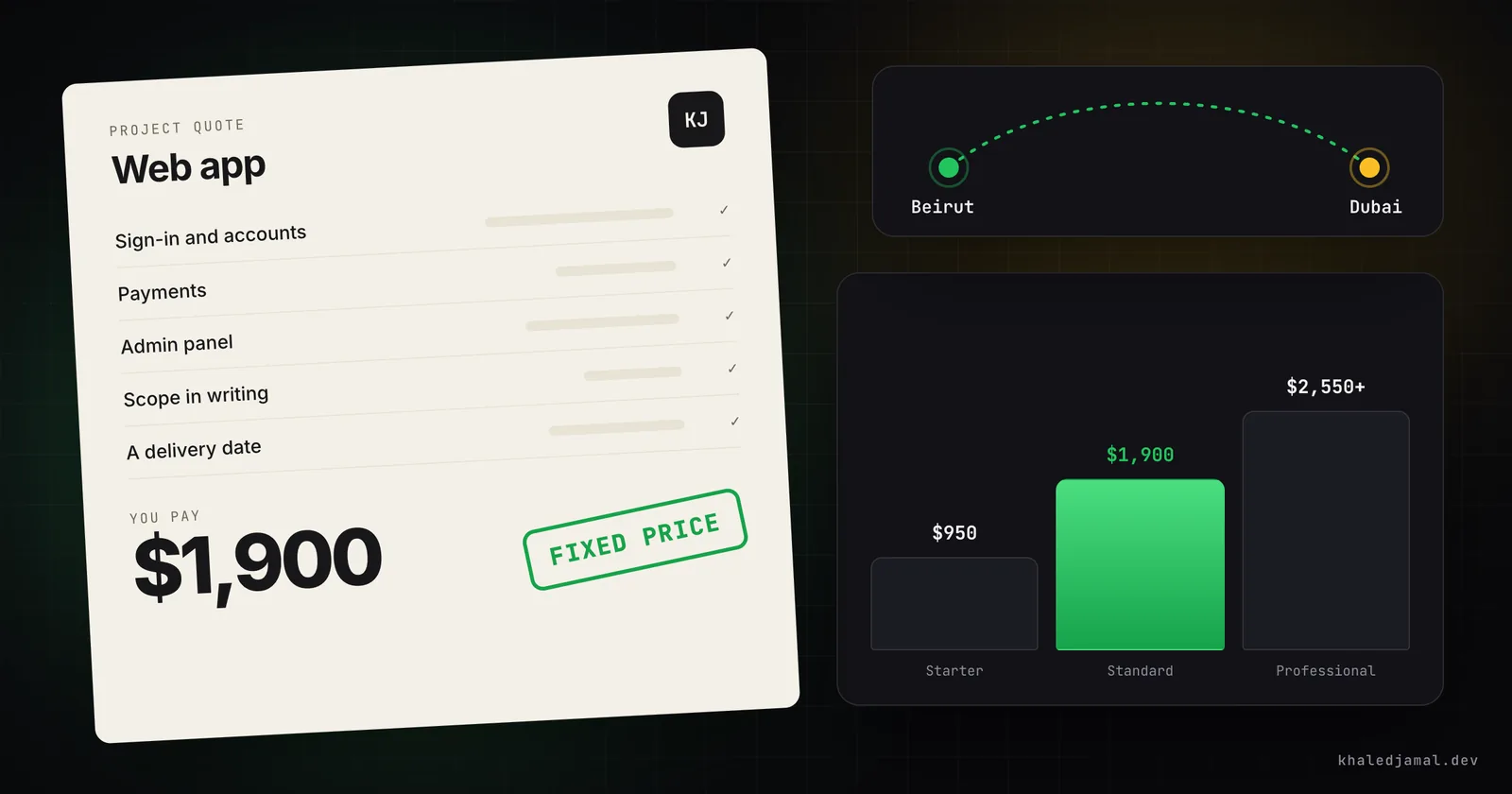
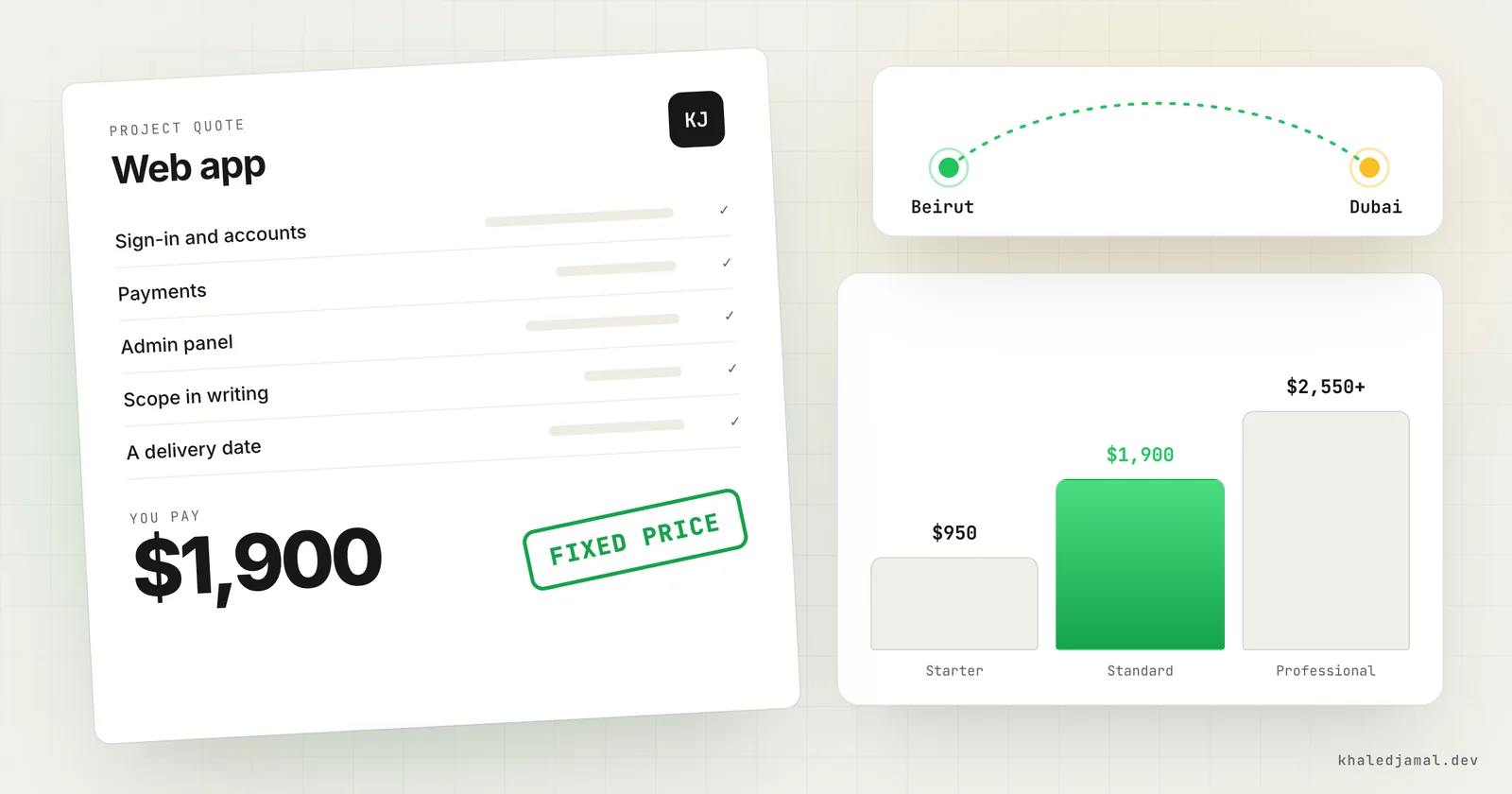
"Is the price fixed? What exactly is included?"
Get a written list. Anything that isn't on it will cost more later, so it's better to find out now. Also ask how changes are priced.
"What happens after launch?"
Bugs show up in the first few weeks of real use. Agree how long fixes are included and what ongoing support costs.
Scorecard
Score the developer you're talking to
Tick what they've actually done or answered clearly. Run it for each person you're comparing.
Start ticking
0/10
Go through these on your next call. You don't need to be technical, just listen for specifics.
How to use AI-built work
Using AI isn't a red flag. I use it heavily, and any good developer in 2026 probably does too. The question is whether they understand and stand behind what they ship.
So ask them to explain a specific piece of their code, why it's built that way and what they'd change. Someone who reviews everything can do that easily. Someone who pastes it in can't.
Warning signs
- A price given before they've asked about your business
- No live work they can show you
- "That's easy" said about payments, security or accounts
- Everything on their own accounts, with no handover plan
- A big upfront payment with no milestones
Do you even need Next.js?
Often yes, but it's a fair question. A simple brochure site may not need it, and a business that just wants to edit its own pages might be better on a platform. Good developers will tell you that even when it costs them the job. I'd take that as the strongest signal of all.
Looking for someone to build it? Here's how I work and what I charge, or read what a custom web app really costs.
Written by Khaled Jamal
Software engineer in Beirut, known online as Dequavious, and founder of Helm. I build SaaS platforms, AI agents, desktop apps and client sites end to end.